

NGTV ENGLISH | BREAKING NEWS
NEPAL–TIBET BORDER DISASTER: GLACIER COLLAPSE TRIGGERS MASSIVE FLOODING, RESCUE OPERATIONS INTENSIFY
KATHMANDU | AUGUST 28, 2026
A major humanitarian crisis is unfolding along the Nepal–Tibet border after a massive glacier and rock collapse triggered a destructive chain of flooding across parts of the Himalayan region.
Rescue teams are working to reach affected communities, while authorities remain on alert over the possibility of another major flood surge.
SEISMIC SIGNAL INITIALLY MISTAKEN FOR EARTHQUAKE
The disaster initially caused confusion after seismic activity detected in the region was reported as an earthquake measuring around magnitude 4.4.
Subsequent scientific assessment indicated that the seismic signal was not generated by a conventional tectonic earthquake. Instead, researchers linked it to the enormous movement of ice, rock and debris during the glacier collapse.
GLACIER COLLAPSE LED TO MASSIVE FLOODING
A huge section of glacier and surrounding mountain material reportedly broke away in the Himalayan region on August 26.
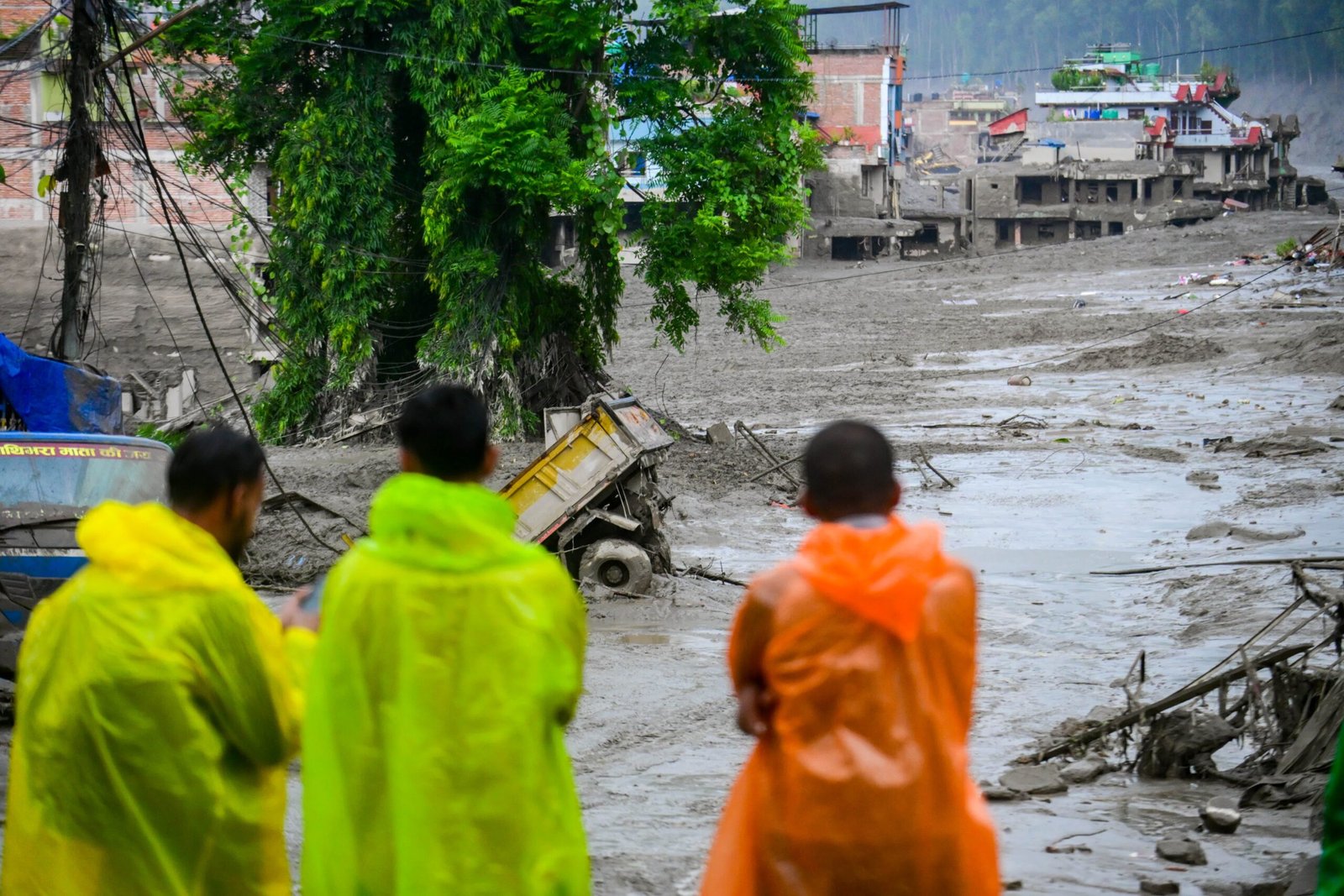
The falling ice, rocks and debris blocked a mountain river, creating a temporary natural dam. When the barrier eventually failed, a powerful surge of water and debris moved downstream.
Several river systems, including the Lhende Khola, Bhote Koshi and Trishuli, were affected by the flooding.
The force of the disaster damaged roads, bridges, homes and other critical infrastructure. The strategically important Rasuwagadhi–Gyirong border corridor has also sustained significant damage.
HUNDREDS DEAD, MORE THAN 1,500 REPORTED MISSING
The scale of the disaster remains severe.
Authorities in Nepal have reported 469 deaths, while three fatalities have been reported from the Tibet side.
More than 1,500 people are currently reported missing across the affected areas, although officials are continuing to verify the figures as rescue teams reach previously inaccessible locations.
The Nepal Army, police and emergency response teams are conducting search-and-rescue operations, including helicopter missions to isolated communities.
However, damaged roads, destroyed bridges, landslides and unstable mountain terrain are making rescue efforts extremely challenging.
FRESH FLOOD THREAT RAISES ALARM
Authorities are now facing a second major danger.
A temporary lake created by debris upstream has begun overflowing, creating fears of another sudden release of water downstream.
As a precaution, some rescue activities have reportedly been suspended temporarily in vulnerable areas.
Residents living close to rivers and low-lying sections have been advised to move towards safer and higher ground and remain alert to official warnings.
EARTHQUAKE IN NEPAL ALSO RECORDED
A separate earthquake was recorded in Nepal on the night of August 27.
India’s National Centre for Seismology recorded a magnitude 3.2 earthquake at around 9:18 p.m. IST, approximately 24 kilometres west-northwest of Yuksom in Sikkim, at a depth of around 10 kilometres.
Officials and scientists have stressed that this earthquake should not be confused with the seismic signal associated with the catastrophic flooding of August 26.
The available assessment indicates that the earlier signal was associated with the glacier collapse and subsequent movement of ice, rock and debris rather than a major tectonic earthquake.
NGTV ENGLISH ANALYSIS
The disaster is a stark reminder of the growing risks faced by communities living in the Himalayan region.
Rapid changes in mountain environments, unstable glaciers, steep terrain and sudden movement of enormous volumes of ice, rock and water can combine to create cascading disasters with little warning.
For now, the focus remains on saving lives, reaching isolated communities, evacuating people from vulnerable zones and preventing a second wave of flooding.
Authorities on both sides of the border remain on heightened alert as rescue teams continue operations under extremely difficult conditions.
NGTV ENGLISH | Reporting the facts as the situation develops.